 0
0
 0
0
Austria generates 67.2 million tonnes of waste per year, according to the latest figures from the Environment Agency Austria. Broken down, that’s around 1.5 kilograms of household waste per person every single day. But the real number is far higher. When construction debris, excavated soil, industrial waste and other secondary materials are included, the daily tally climbs to 20–22 kilograms per person.
“Those household figures only cover municipal waste,” says Prof. Marion Huber-Humer, head of the Institute of Waste Management and Circular Economy at BOKU University. “Once you add the rest, the scale becomes enormous.”
A Changing Waste Stream
Humanity has always produced waste, but its composition has shifted dramatically. Organic leftovers have given way to synthetic materials that linger for decades. “From the 1950s onward, plastics entered the market—materials that often don’t follow any natural degradation process,” Huber-Humer explains.
To prevent waste from overwhelming the system, Austria follows the EU waste hierarchy, which prioritizes waste prevention above all else. “We need to consume more mindfully and use things for longer,” she says.
The EU aims to support this shift through its Ecodesign Regulation, which requires products to be repairable, durable and recyclable. But global supply chains complicate enforcement. “Products enter the EU market that don’t meet these standards. Solving that would require international cooperation, which is difficult in the current geopolitical climate.”
Fast Fashion Under Scrutiny
One area of growing concern is fast fashion. “Its environmental impacts are becoming increasingly visible,” Huber-Humer warns. “Everyone should ask themselves whether they really need the thousandth T-shirt.”
The second stage of the EU waste hierarchy—pre-use—offers another lever. It focuses on preparing discarded items for reuse. “If old electronics are dropped off at collection points and repaired for second-hand sale, that’s a perfect example of high-quality reuse,” she says.
Closing the Loop
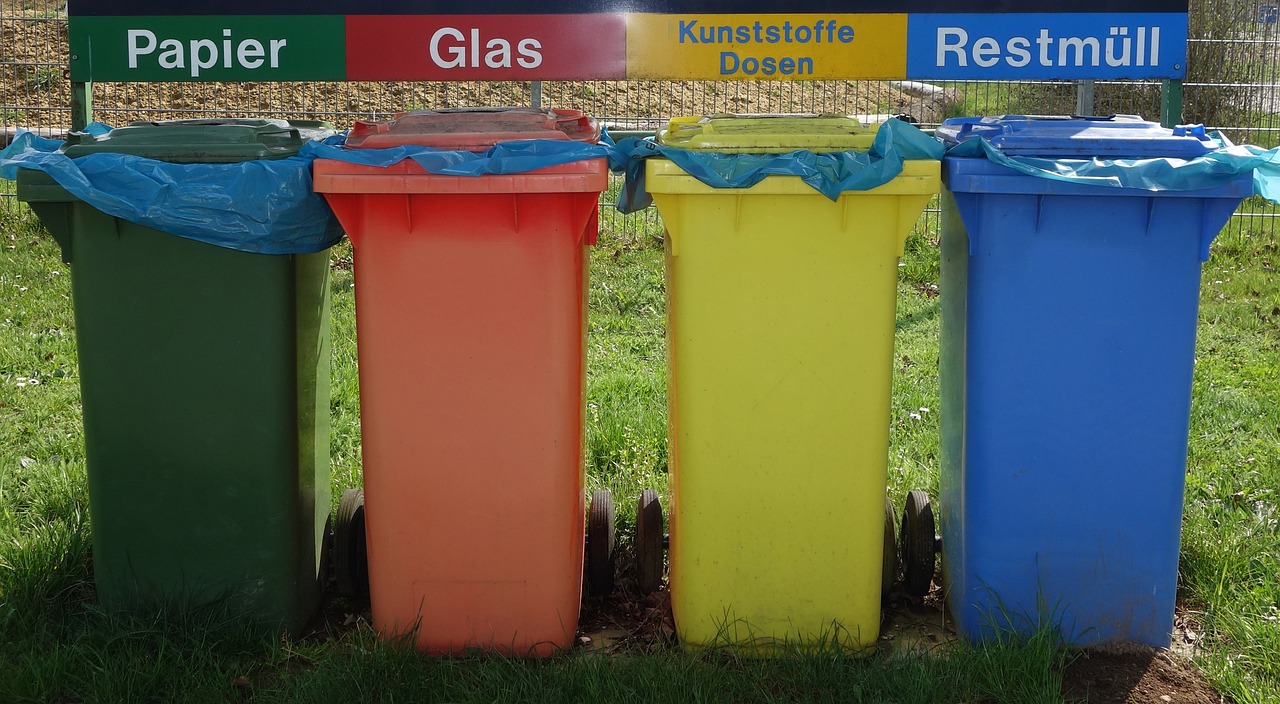
The third stage, material recycling, depends on proper waste separation. “There’s still room for improvement in plastic packaging collection,” Huber-Humer notes. “But the unified yellow bag system has made things easier for households.”
Still, recycling cannot fully replace natural resources. Losses occur throughout the value chain—through poor sorting, abrasion during use, or contamination. And recycling has limits. “If emissions and energy use for recycling exceed those of producing new raw materials, it’s not environmentally sensible.”
A Shared Responsibility
The global waste problem can only be solved through collective action. “Politics must enforce rules, industry must cooperate, and consumers must rethink their habits,” Huber-Humer emphasizes. “Managing our resource use requires a sensible partnership if we want to keep our spaceship Earth maneuverable.”
- source: hector pascua with reference from kurier.at/picture: pixabay.com



This post has already been read 5984 times!